What a Full Roof Replacement Involves from Start to Finish
Understanding the Scope of a Roof Replacement
A roof replacement is a major home improvement project that goes far beyond simple repairs. While patching a few shingles can extend the life of an existing roof for a season or two, a complete replacement addresses the entire roofing system. This means removing the old covering, inspecting and often repairing the underlying structure, and installing new materials that will protect the building for decades. For homeowners in Northern Florida, where weather conditions can be demanding, knowing what happens during this process is essential for making informed decisions.
The decision to replace a roof usually comes after signs of aging become impossible to ignore. Curling shingles, water stains on ceilings, daylight visible through attic boards, or a roof that is past its expected lifespan all point to the need for a full replacement. A typical roof replacement is not a job for do-it-yourself enthusiasm; it involves careful planning, the right materials, and a methodical approach that ensures the new roof performs as intended. This article walks through the general sequence of events so you understand what to expect if you ever schedule this work.
Initial Inspection and Planning
Before any work begins, a thorough inspection of the current roof is necessary. This step helps determine the condition of the roof deck, the existing underlayment, and the flashing around chimneys, vents, and skylights. A professional inspector will look for rot, mold, structural damage, and signs of previous leaks. The findings from this inspection shape the entire replacement plan. For example, if the roof deck has soft spots or water damage, those sections must be repaired before new materials go on top.
Planning also involves selecting the new roofing material. Asphalt shingles are common for residential homes, but tile roofing and metal roofing are also popular options in certain climates. Each material has its own weight, installation method, and lifespan. Tile roofing, for instance, is heavy and may require additional structural support, while metal roofing is lighter but needs careful handling to avoid dents and oil canning. The choice affects not only the look of the home but also how the roof handles rain, wind, and heat. A good contractor will discuss the options and help match the material to the house and local conditions.
Obtaining Permits and Scheduling
Most municipalities require a building permit for a full roof replacement. The permit process ensures the work meets local building codes, which cover things like wind resistance, fire rating, and proper attachment methods. The contractor typically handles the permit application, but the homeowner should confirm that one is obtained before work starts. Skipping this step can lead to fines, issues with insurance, or problems when selling the home later.

Scheduling depends on weather and the size of the crew. Roof replacement is noisy and disruptive, so it is wise to plan for a few days of activity on and around the house. In Northern Florida, the rainy season and hurricane season create narrow windows for this kind of work. A reputable contractor will monitor forecasts and plan the tear-off and installation around dry weather.
The Tear-Off Process
The first physical step is tearing off the old roofing material. This is often the loudest and messiest part of the job. Workers remove shingles, tiles, or metal panels and haul them away. They also strip away the old underlayment, which is the waterproof membrane beneath the outer layer. In some cases, especially with older homes, there may be multiple layers of shingles that all need to come off. Removing these layers exposes the roof deck, which is the wood or plywood surface that forms the structural base of the roof.
A full tear-off is important because it allows the crew to inspect the roof deck completely. Leaving old layers in place can hide rot or insect damage, and it adds unnecessary weight to the structure. Once the deck is bare, any damaged sections are cut out and replaced with new plywood or oriented strand board. The edges are sealed, and the deck is cleaned of nails and debris before moving on.
READY ROOFING, LLC is also on LinkedIn.
Deck Repairs and Underlayment Installation
With the roof deck exposed, the crew makes any needed repairs. This might involve replacing rotted boards, reinforcing areas around chimneys or skylights, or correcting poor framing. In some cases, the roof deck itself is in good shape and only minor patching is required. But if water damage has spread, a larger section of deck may need to be replaced. This is also the time to address roof ventilation. Proper airflow under the roof helps prevent moisture buildup and extends the life of the shingles. Ridge vents, soffit vents, or other ventilation products are installed as needed.
After repairs are complete, a new underlayment is rolled out over the entire deck. This synthetic or felt-like material provides a secondary layer of protection against water infiltration. It is especially important in areas prone to ice dams or heavy rain. In Northern Florida, where storms can dump several inches of rain in a short time, a quality underlayment is a wise investment. The edges are sealed with drip edge metal, and flashing is installed around all roof penetrations.
Installing the New Roofing Material
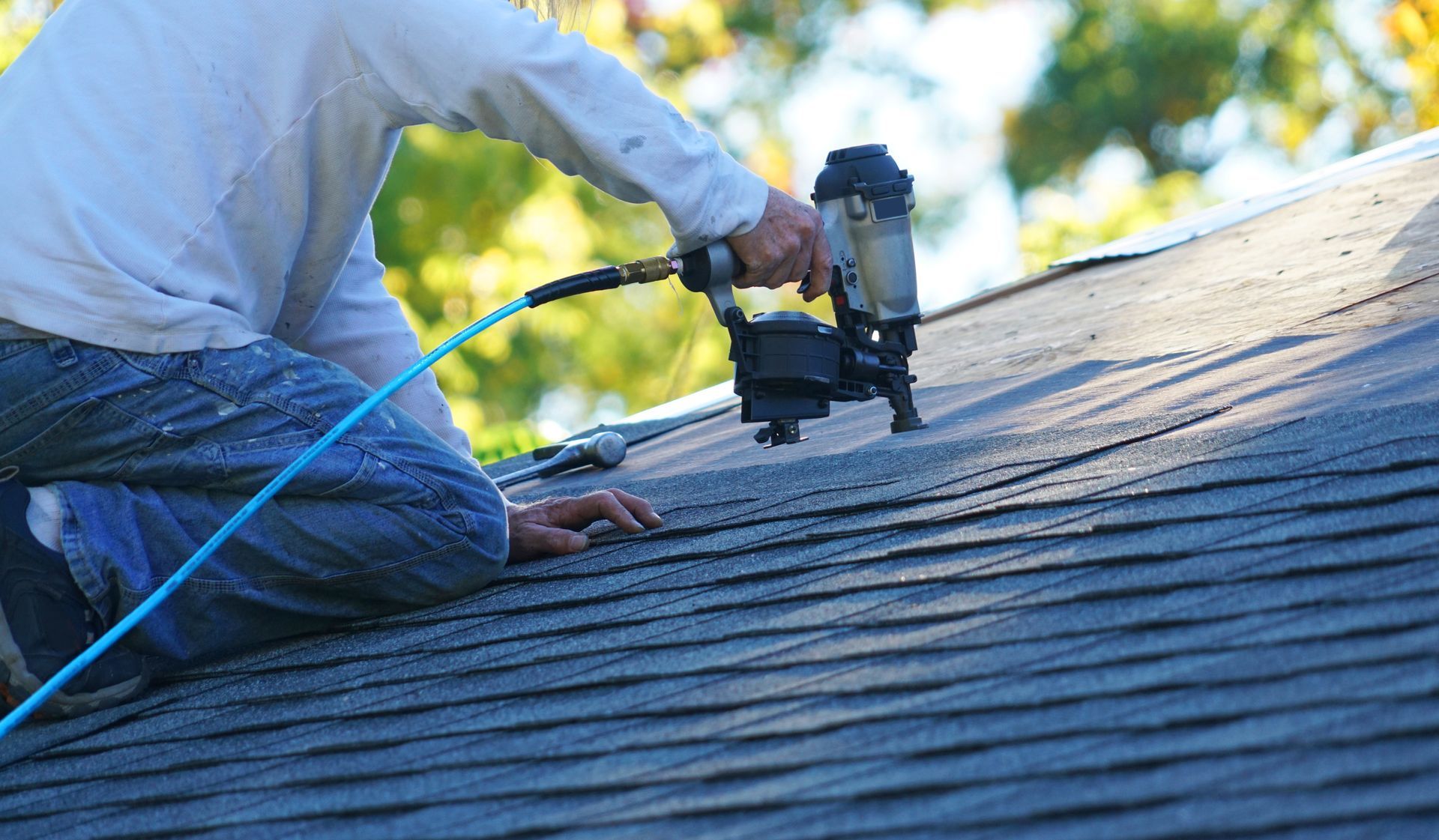
Now the new roofing material goes on. For asphalt shingles, workers start at the bottom edge and work upward, overlapping each course so water runs off without seeping underneath. They nail each shingle according to the manufacturer's specifications and the local wind code. For tile roofing, the process is similar but uses interlocking tiles that require precise alignment. Metal roofing panels are attached with concealed fasteners or exposed screws, depending on the style.
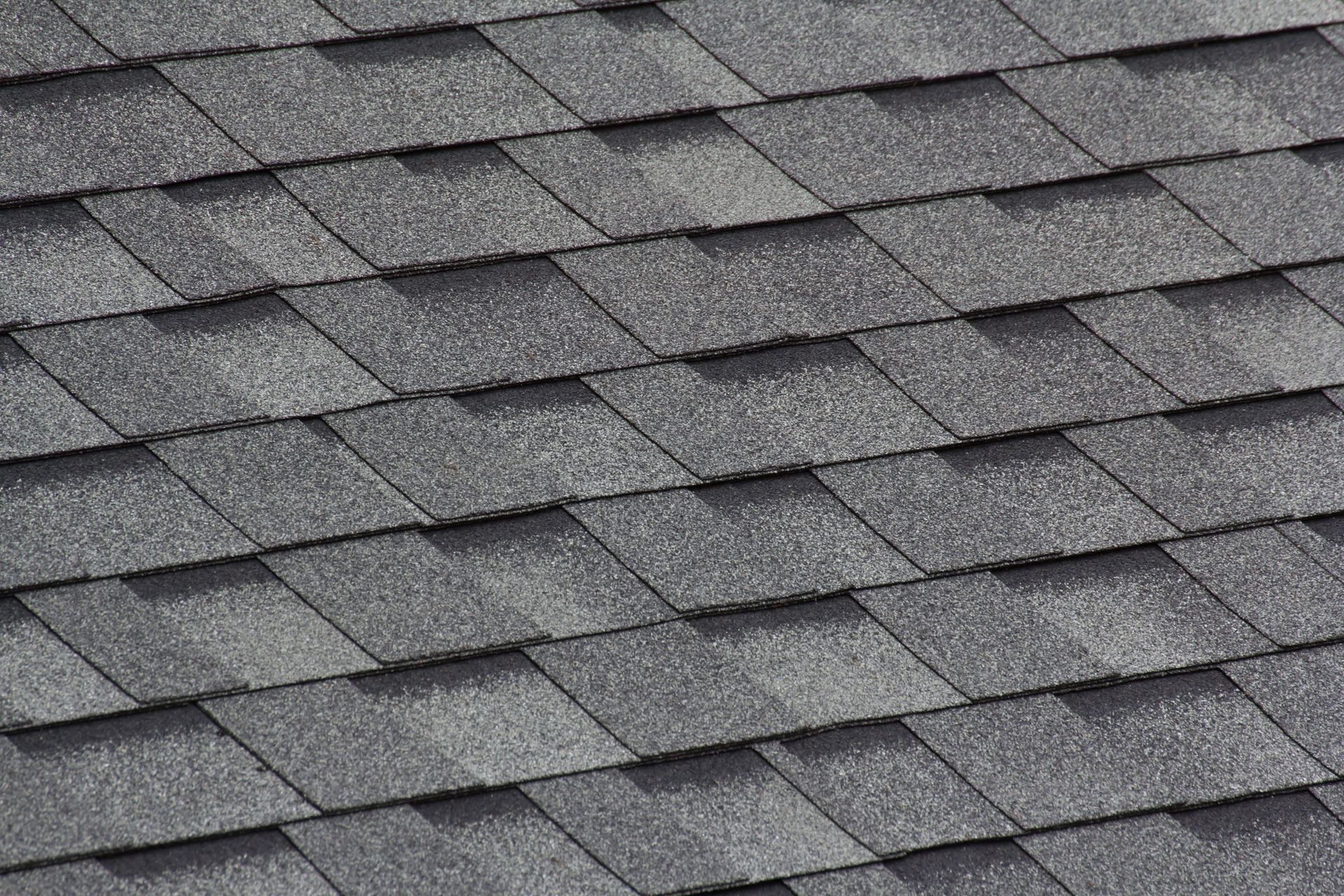
The installation includes all the details that make the roof watertight: ridge caps, hip and valley flashing, pipe boots, and sealant around vents. A quality job will look clean and uniform, with no exposed nails or gaps. The crew will also install new gutters and downspouts if those are part of the project, or they may reattach the existing ones carefully to avoid damaging the new roof.
READY ROOFING, LLC, a company serving Northern Florida, handles this entire process for residential and commercial clients. Their work includes inspections, tear-offs, deck repairs, and final installation, all coordinated to meet local building codes and weather challenges.
Final Inspection and Cleanup
Once the new roof is installed, a final inspection is performed. This may be done by the contractor's own quality control team, by a city building inspector, or both. The inspector checks that the roof meets code requirements, that all fasteners are properly placed, and that no debris or sharp edges remain. Any issues are corrected before the job is considered complete.
Cleanup is a major part of the process. The crew removes all old roofing material, nails, packaging, and debris from the property. They use magnetic rollers to pick up stray nails from the yard and driveway. A thorough cleanup leaves the property safe and tidy, with no leftover hazards.
What a New Roof Means for the Homeowner
A complete roof replacement gives a building a fresh start. It stops leaks, improves energy efficiency through better insulation and ventilation, and can enhance curb appeal. The new roof also comes with a manufacturer's warranty on the materials and a workmanship warranty from the installer. For homeowners, this means peace of mind during heavy rain, wind, and storm season. For commercial property owners, it protects inventory, equipment, and tenants from water damage.
It is also worth noting that a new roof can be an opportunity to reconsider the home's overall weather resistance. Adding ridge vents or upgrading to a higher wind-rated shingle can make a real difference in Northern Florida's climate. A good contractor will discuss these options without pushing unnecessary extras.
If you are considering a roof replacement, the key is to work with a team that communicates clearly and follows a proven process. The company that does the work should be licensed, insured, and familiar with local codes. READY ROOFING, LLC, based at 5105 Philips Hwy Ste 205, Jacksonville, FL 32207, USA, provides residential and commercial roof repairs, replacements, inspections, and storm damage restoration across Northern Florida. You can reach them at +1 904-404-9849 for more information about their services.